Refrigeration equipment for food storage
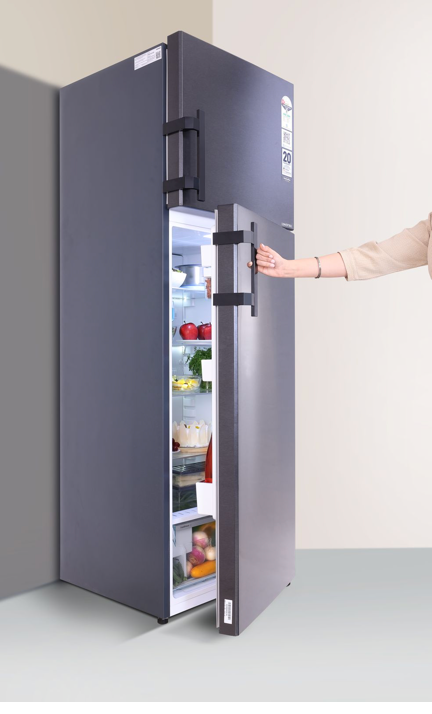
Seafood is one of the trickiest ingredients to keep fresh at home, and most of the trouble comes down to how it’s stored between the market and the pan. The same zoning logic used in commercial refrigeration equipment on the walk-in coolers of restaurants and fish markets applies, at a smaller scale, to the fridge sitting in an ordinary kitchen. Understanding how temperature moves through a home fridge, and which habits slow down spoilage, makes the difference between a piece of fish that tastes clean and one that smells off before it ever hits the pan. This article looks at why seafood breaks down faster than other proteins, how to use a fridge’s built-in temperature zones wisely, and the small daily habits that keep a catch fresh until it’s time to cook.
TLDR — Key Takeaways
- Seafood spoils faster than meat or poultry because its enzymes and bacteria stay active even at normal fridge temperatures.
- The coldest part of most fridges sits near the back or bottom, close to the cooling element, while door shelves stay noticeably warmer.
- Home fridges follow the same zoning principle found in commercial refrigeration equipment, just on a smaller scale, so placing seafood in the coldest zone matters.
- Simple habits, such as storing seafood on ice and keeping it below other foods, extend freshness without any special equipment.
Why Seafood Spoils Faster Than Other Proteins
Seafood breaks down faster than chicken or beef because the enzymes and bacteria naturally present in fish and shellfish stay biologically active even at temperatures that would keep other proteins stable for days. Fish live in cold water, so their internal enzymes are adapted to function efficiently at low temperatures rather than shutting down the way a land animal’s tissue does once chilled. That means a standard fridge setting, which comfortably slows spoilage in red meat, only partially slows the same process in a fillet of cod or a bag of shrimp.
The muscle structure of fish also plays a role. Fish muscle is built from short fibers held together by thin connective tissue, unlike the longer, denser fibers found in beef or pork. That shorter structure breaks down faster once the animal dies, releasing compounds that create the sour, ammonia-like smell associated with aging seafood. Red meat’s denser fibers resist this breakdown for longer, which is part of why a steak can sit safely in the fridge for several days while raw fish is best used within a much shorter window.
This combination of active enzymes and fragile muscle structure is why seafood needs stricter handling than most other proteins. It is not that fish is inherently more dangerous to eat than chicken, but that the visible and chemical signs of spoilage appear sooner, and the tissue itself has less structural resistance to decay. Recognizing this earlier spoilage curve is the starting point for deciding where and how to store seafood inside a fridge.
Understanding Fridge Temperature Zones for Seafood
Most refrigerators are not uniformly cold throughout; they have distinct temperature zones shaped by where the cooling element sits and how air circulates inside the compartment. In most designs, the coldest air settles near the back and bottom of the main compartment, closest to the cooling coil, while the front and top run slightly warmer because they are farther from that source and closer to the door seal. Every time the door opens, warmer kitchen air rushes in first near the front, which is one reason that zone never gets quite as cold as the back.
Door shelves are the warmest part of any fridge by a noticeable margin, since they sit furthest from the cooling element and absorb the temperature swings that happen every time the door opens. That warmth is fine for condiments or drinks, but it is the wrong environment for raw seafood, which needs the most consistent, coldest air a fridge can offer. Matching seafood to the correct zone, rather than treating every shelf as interchangeable storage space, is the practical takeaway here, and shoppers comparing a fridge with clearly defined compartments will find it easier to keep this back-shelf rule in practice day to day.
In a Liebherr fridge with BioFresh, fish and other proteins can sit just above 0°C instead of on a mid-shelf that warms each time the door opens.
This zoning principle is not unique to home appliances. Commercial kitchens rely on the same logic at a larger scale, arranging walk-in units so that the most perishable items sit in the coldest section and slower-spoiling goods occupy the warmer edges. Bringing that same mindset home means treating the back or bottom shelf as the designated spot for raw fish and shellfish, and reserving the door and upper shelves for items that tolerate more temperature fluctuation. A quick way to check a fridge’s actual cold spot is to notice where condensation or frost tends to form fastest, since that usually marks the zone running closest to the coil.
Smart Storage Habits That Extend Freshness
Even the coldest zone in a fridge benefits from extra habits that slow bacterial growth further, and one of the most effective is storing seafood on a bed of ice inside a shallow tray. The ice draws heat away from the fish continuously, keeping the surface temperature lower than the surrounding fridge air alone could achieve, while the tray catches melting water so it doesn’t pool onto other shelves. This technique mimics how seafood is often kept during transport and display, where constant contact with ice, rather than air alone, does most of the work of slowing decay.
How the seafood is wrapped matters just as much as where it sits. Sealing fish tightly in plastic traps the moisture that naturally releases from the flesh, and that trapped moisture becomes a breeding ground for the surface bacteria responsible for off odors. Wrapping loosely, or using a container with some airflow, lets that moisture escape instead of sitting against the fish. A useful sequence for handling fresh fish at home looks like this: pat the surface dry with a paper towel first, place it on ice in a shallow tray, cover it loosely rather than sealing it airtight, and position that tray in the coldest part of the fridge.
There is a trade-off in this approach worth understanding. Wrapping too loosely risks drying out the surface of lean fish, while wrapping too tightly risks trapping spoilage-causing moisture. The balance point is a light, breathable cover, such as a damp cloth or a container lid left slightly ajar, which limits both problems at once. Shellfish in shells follow a different rule: they need to breathe and should never sit in standing water or a sealed bag, since that can suffocate live mussels or clams before they’re cooked.
Organizing Your Fridge for Seafood and Everyday Cooking
Storage location inside the fridge affects food safety just as much as temperature does, particularly when it comes to preventing cross-contamination between raw seafood and everything else. Raw seafood should always sit below cooked or ready-to-eat food, never above it, because any drips or leaks travel downward under gravity. A tray of raw shrimp on a top shelf can drip onto a container of leftovers below without anyone noticing until the smell or taste gives it away, while the same tray on the bottom shelf poses no such risk to food stored above it.
Dedicating a specific bin or tray to seafood, separate from the general produce or dairy compartments, also helps contain odor transfer. Fish oils and juices cling to plastic and rubber seals more persistently than most other food residues, and once a bin picks up that smell, it tends to linger even after washing. Keeping seafood in its own designated container, wiped down after each use, keeps that smell from working its way into butter, cheese, or other odor-absorbent foods stored nearby.
This kind of organization also speeds up everyday cooking, since a cook always knows exactly where to look for the ingredient rather than searching multiple shelves. Grouping seafood together with a clear, consistent spot builds a habit that pays off during a rushed weeknight dinner just as much as during a planned seafood feast. Over time, this small organizational discipline does more for food safety than any single storage trick on its own, because it removes the guesswork about what sits where and for how long.
Frequently Asked Questions
How long can raw fish safely sit in the fridge before cooking?
Raw fish is best cooked as soon as reasonably possible after purchase, since its enzymes and bacteria remain active even in cold storage. The exact safe window depends on how fresh the fish was when bought, how it was handled beforehand, and how consistently cold the storage zone stays, so treating raw fish as a short-turnaround ingredient rather than a pantry staple is the safer approach.
Does frozen seafood need different handling once it’s thawed?
Yes, once seafood thaws it behaves like fresh seafood and follows the same spoilage clock, regardless of how long it spent frozen beforehand. Thawing in the fridge itself, rather than on a counter, keeps the surface from warming into the temperature range where bacteria multiply fastest, and thawed seafood should move to the coldest zone just like anything bought fresh that day.
Can shellfish and fin fish be stored together in the same spot?
They can share the same general zone, but it helps to keep them in separate containers rather than piled together, since shellfish often carry more surface moisture and different odor compounds than fin fish. Separating them also makes it easier to notice if one has gone off without the smell masking the condition of the other.
_______________________________________
This is a contributed post